
Value engineering is one of the most effective ways to deliver high-quality construction outcomes while managing project costs. When applied correctly, it doesn’t mean cutting corners, it means improving design efficiency, selecting better materials, and ensuring every element of a build has a clear purpose.
We sat down with our team to pull together some of their best insights on value engineering: what it is, when to introduce it, and how it can meaningfully improve project outcomes from both a cost and design perspective.
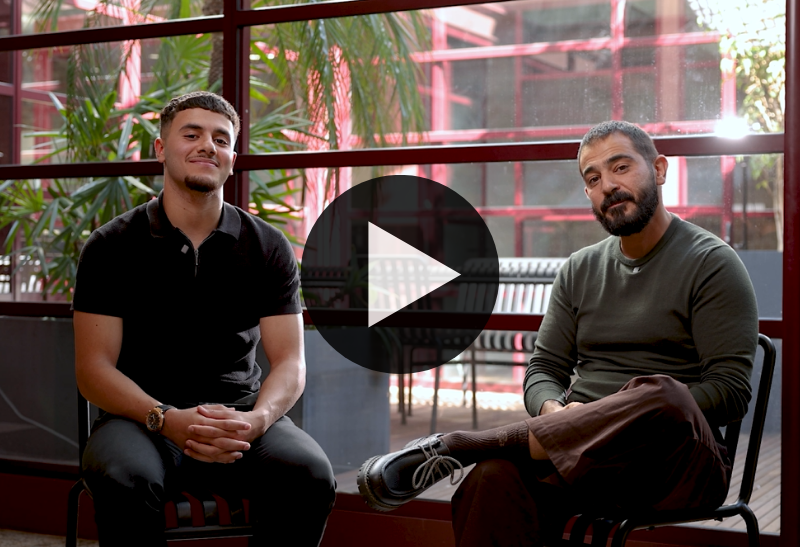
Click above to hear the team share their top tips.
What is Value Engineering in Construction?
Value engineering is the process of reviewing a project’s design and construction approach to achieve the best possible outcome at the most efficient cost.
It involves assessing every component of a build and asking:
- Is this element necessary?
- Is there a more efficient alternative?
- Can we achieve the same (or better) result with smarter design decisions?
The goal is not to reduce quality, it’s to eliminate unnecessary cost, reduce material waste, and improve durability, efficiency, and functionality.
When done properly, value engineering leads to a more refined, considered, and high-performing project outcome.
When Should Value Engineering Start?
The most effective time to introduce value engineering is as early as possible in the design phase.
Engaging both the designer and builder from the beginning allows for proactive collaboration. This ensures that design intent is preserved while still identifying cost efficiencies before decisions become locked in.
When value engineering is left too late in a project, it often results in reactive cost-cutting, which can compromise design integrity or force unwanted substitutions.
Early involvement allows the team to:
- Align on project goals and budget expectations
- Avoid unnecessary redesigns later in the process
Identify smarter material and construction solutions early

Three Key Value Engineering Strategies
1. Engage Early in the Process
Early engagement between client, designer, and builder is critical.
The earlier all stakeholders are involved, the more opportunity there is to influence outcomes positively. Designers can explore more efficient material options, while builders can provide practical insight into constructability and cost implications.
2. Simplify the Design Where Possible
In construction, complexity often equals cost.
A simplified design does not mean a lesser design. In fact, streamlined forms and clear detailing often result in:
- Better buildability
- Reduced labour and material costs
- Stronger architectural expression of key features
Well-executed simplicity allows the “hero” elements of a project to stand out, rather than being lost in unnecessary complexity.
3. Choose the Right Materials
A higher price tag does not always mean a better outcome.
The right material is one that:
- Meets performance requirements
- Is durable and fit for purpose
- Achieves the desired aesthetic outcome
Value engineering often involves exploring alternative materials that deliver equal or better performance at a lower cost, or sometimes even enhanced design outcomes.
In Conclusion
Value engineering is not about reducing scope or lowering quality. It is about refining design decisions to achieve smarter, more efficient, and higher-performing outcomes.
When applied early and collaboratively, it can transform a project, delivering better aesthetics, improved durability, and meaningful cost efficiencies.
If you’re planning a project and want to maximise value without compromising quality, get in touch with SHEETH. Our team works closely with clients from the outset to identify smarter, more efficient solutions that deliver stronger project outcomes.