Tag: news

  • EOFY Habits That Help Our Business Run Better

    EOFY Habits That Help Our Business Run Better


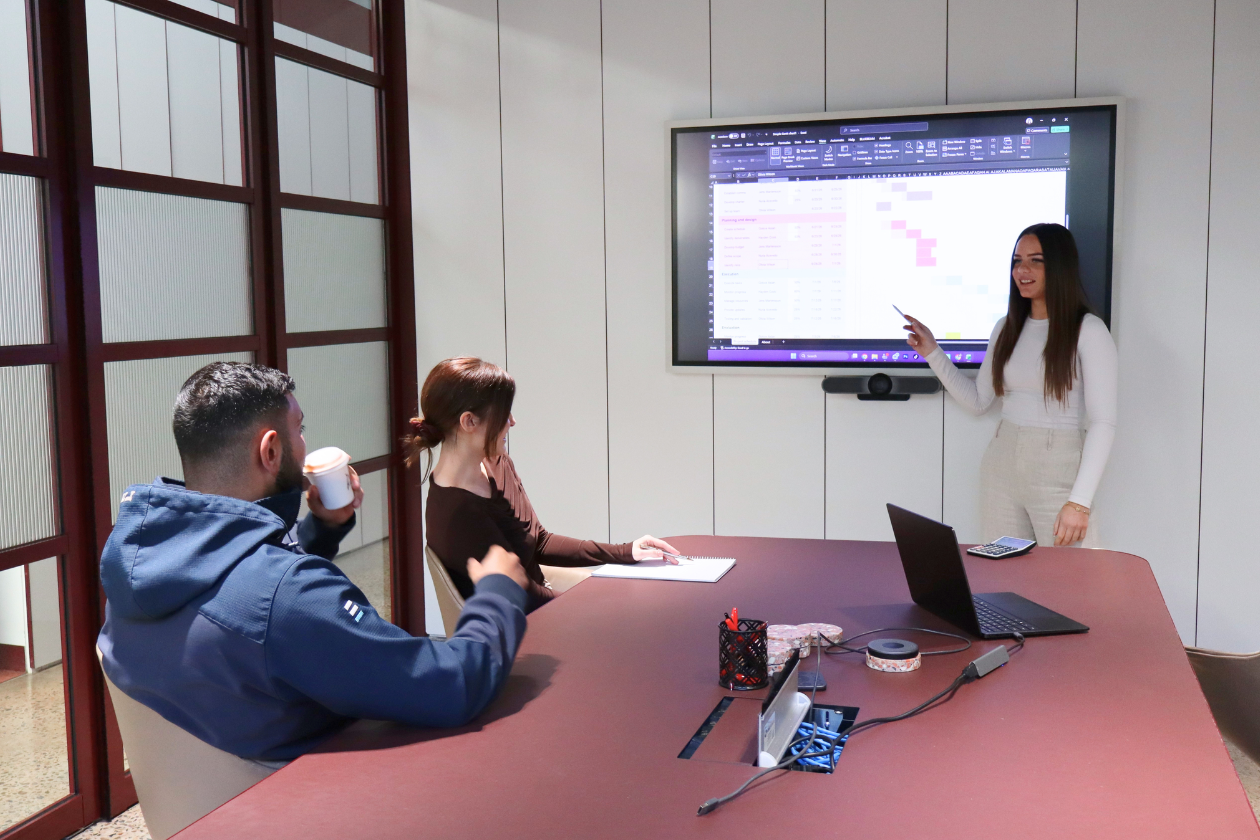
    At SHEETH, end of financial year is more than just balancing numbers and closing out the year. It’s one of the most important checkpoints in our calendar, a chance to reflect on the year, reset priorities, and make sure the business is aligned heading into the next chapter. 

    Here’s how we approach EOFY internally and the habits that help our business run better year after year.

    Pre-EOFY Planning (May–June) 

    In the lead-up to EOFY, we spend time reviewing the business from both an operational and strategic perspective. 

    This includes discussing inefficiencies, identifying operational bottlenecks, and looking at opportunities to improve how we work internally and how we deliver for clients. We also review client feedback and discuss ways we can continue improving the overall client experience. 

    At the same time, we assess team workload, reset priorities, and plan for the year ahead to ensure everyone is aligned moving forward. 

    From a business perspective, this period also involves reviewing: 

    • Financial performance 
    • Marketing performance 
    • Budgeting and forecasting 
    • Team planning and future growth opportunities 

    Having these conversations before the new financial year begins helps us enter July with more clarity and direction. 

    Annual Leadership Offsite Meeting (Beginning of July)  

    At the start of each financial year, our leadership team steps away from day-to-day operations for a dedicated two-days offsite. 

    This is where we take a deeper look at the business as a whole. 

    During the offsite meeting, we review KPIs, yearly goals, wins, losses, and lessons from the previous year. We also discuss personal and professional highlights, which gives everyone the opportunity to reflect on growth both inside and outside of work. 

    A major focus of the offsite meeting is making sure we’re still aligned with our long-term direction. We revisit our: 

    • Vision 
    • Core purpose 
    • Values 
    • Client profile 
    • Target markets 
    • Niche positioning 

    We also complete a SWOT analysis on the business, discuss team health, and work through any outstanding issues using an IDS (Identify, Discuss, Solve) approach. 

    By the end of the two days, leadership aligns on the new 3-year picture, yearly goals, and key priorities for the year ahead.

    EOFY Team Celebration

    EOFY isn’t only about planning and strategy, it’s also about celebrating the people behind the work. 

    At the end of June, we bring the team together for an EOFY celebration and awards ceremony to recognise everyone’s contributions and achievements throughout the year. 

    Over the years, this has included activities like go karting, dragon boating, and Sydney Harbour cruises, giving the team a chance to step away from work, connect, and celebrate together.

    Why It Matters

    For us, EOFY is an opportunity to pause and work on the business, not just in it. 

    Taking the time to reflect, plan, and reconnect as a team helps us improve how we operate, strengthen our culture, and move into the new financial year with clarity, alignment, and momentum.

  • SHEETH Scores 98.41% for Customer Satisfaction 

    SHEETH Scores 98.41% for Customer Satisfaction 

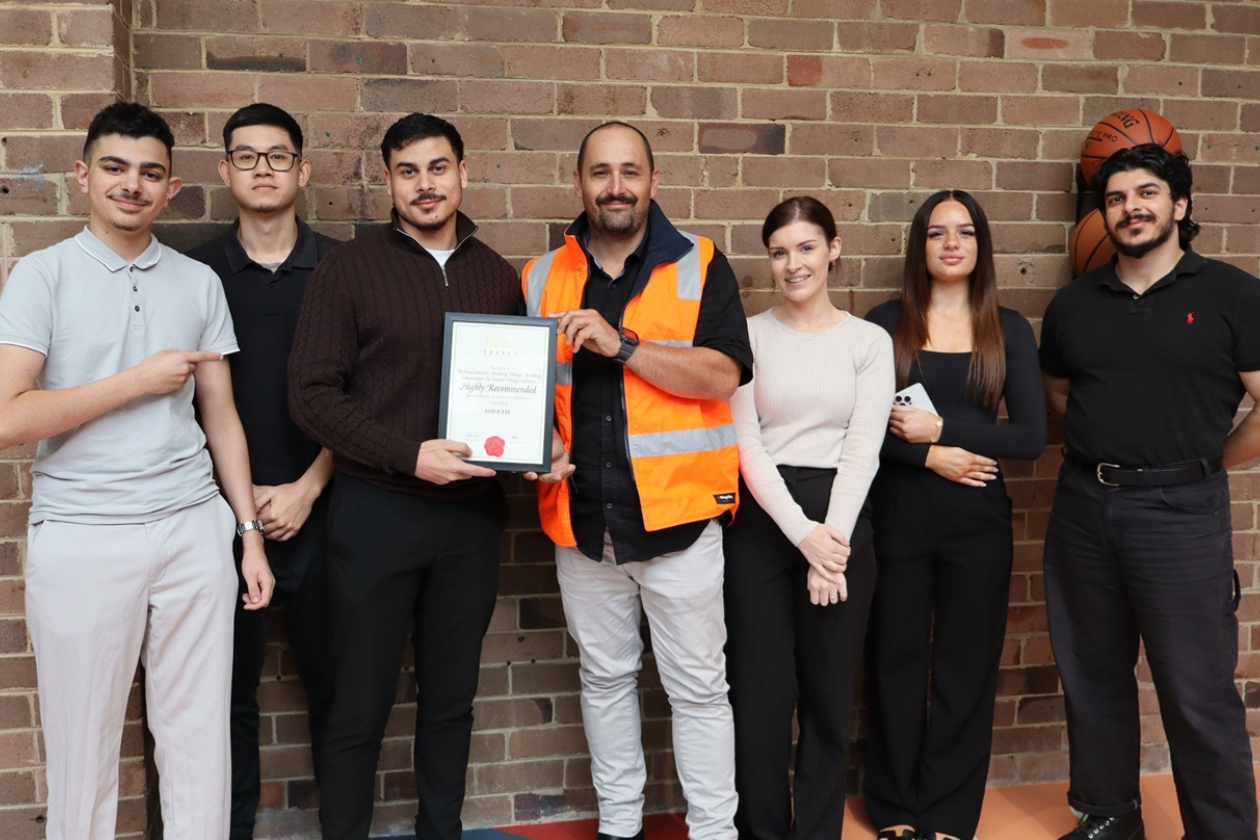
    The judging process for the 2026 Australian Achiever Awards for Australia’s Architect Services, Building Design, Building Construction & Interior Design Services category was completed on 5th May. 

    SHEETH scored a highly recommended 98.41%. 

    Now in its twenty-ninth year, the Australian Achiever Awards are an independent, unbiased award system based on assessment ratings from a business’s own customers. The awards provide an indication of a well-run business where satisfied customers are a sign that a business is healthy, worthy of praise and increased custom. 

    The award system focuses on eight criteria, each scored separately, namely: Time-Related Service, Addressing Client Needs, Care and Attention, Value, Attitude, Communication, Overall Perception and Referral. The criteria are rated individually in percentage terms, and the final score is an amalgam of these. Anything above 80% overall is regarded as exceptional and reflects outstanding customer service. A complete list of all businesses that have achieved award status over the last few years can be viewed at www.achiever.com.au

    Some of the comments Australian Achiever received from SHEETH clients are: 

    “The team at SHEETH is absolutely professional. Communication in the industry can be difficult, but this team is across everything. Their on site work, industry knowledge, transparency, and ability to resolve issues are all strong. They are the best builders I have come across and are unbelievable to deal with. 

    They are an extremely professional business and very attentive during onboarding. Their tender process is one of the best I have experienced in the industry. The staff are highly skilled and experienced, with strong internal follow up systems. Their delivery team is experienced with complex builds and flexible in dealing with issues. 

    I am thrilled with the fit out that SHEETH completed for me and could not be happier. I was initially sceptical, but the team was efficient, met my budget, and finished on time. The care they take is impressive, and I look forward to using them again for other projects.”

    For verification of this report, please contact: 
    Jody Harwood, Director, Australian Achiever Awards 
    T 0402 045 971 E award@achiever.com.au 


  • Value Engineering Explained: How To Build More Efficiently

    Value Engineering Explained: How To Build More Efficiently


    Value engineering is one of the most effective ways to deliver high-quality construction outcomes while managing project costs. When applied correctly, it doesn’t mean cutting corners, it means improving design efficiency, selecting better materials, and ensuring every element of a build has a clear purpose. 

    We sat down with our team to pull together some of their best insights on value engineering: what it is, when to introduce it, and how it can meaningfully improve project outcomes from both a cost and design perspective. 

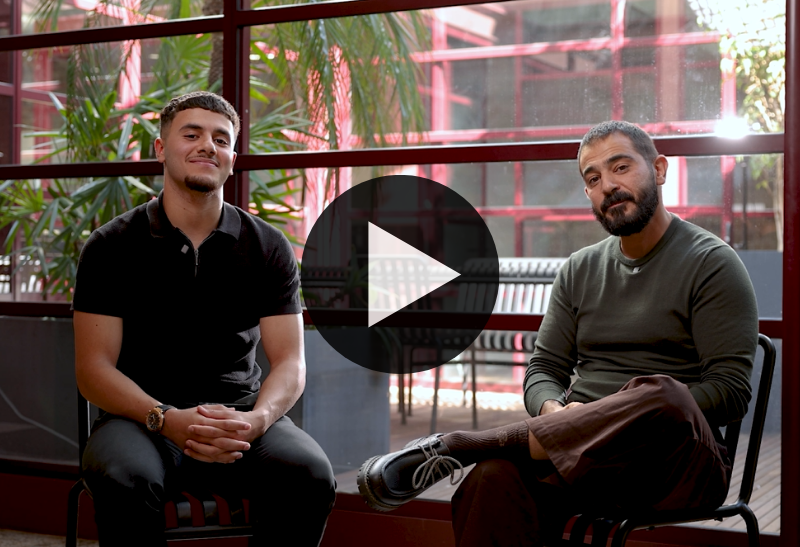
    Click above to hear the team share their top tips.

    What is Value Engineering in Construction?

    Value engineering is the process of reviewing a project’s design and construction approach to achieve the best possible outcome at the most efficient cost. 

    It involves assessing every component of a build and asking: 

    • Is this element necessary? 
    • Is there a more efficient alternative? 
    • Can we achieve the same (or better) result with smarter design decisions? 

    The goal is not to reduce quality, it’s to eliminate unnecessary cost, reduce material waste, and improve durability, efficiency, and functionality. 

    When done properly, value engineering leads to a more refined, considered, and high-performing project outcome. 

    When Should Value Engineering Start? 

    The most effective time to introduce value engineering is as early as possible in the design phase. 

    Engaging both the designer and builder from the beginning allows for proactive collaboration. This ensures that design intent is preserved while still identifying cost efficiencies before decisions become locked in. 

    When value engineering is left too late in a project, it often results in reactive cost-cutting, which can compromise design integrity or force unwanted substitutions. 

    Early involvement allows the team to: 

    • Align on project goals and budget expectations 
    • Avoid unnecessary redesigns later in the process 

    Identify smarter material and construction solutions early 

    Three Key Value Engineering Strategies  

    1. Engage Early in the Process  

    Early engagement between client, designer, and builder is critical. 

    The earlier all stakeholders are involved, the more opportunity there is to influence outcomes positively. Designers can explore more efficient material options, while builders can provide practical insight into constructability and cost implications. 

    2. Simplify the Design Where Possible 

    In construction, complexity often equals cost. 

    A simplified design does not mean a lesser design. In fact, streamlined forms and clear detailing often result in: 

    • Better buildability 
    • Reduced labour and material costs 
    • Stronger architectural expression of key features 

    Well-executed simplicity allows the “hero” elements of a project to stand out, rather than being lost in unnecessary complexity.

    3. Choose the Right Materials

    A higher price tag does not always mean a better outcome. 

    The right material is one that: 

    • Meets performance requirements 
    • Is durable and fit for purpose 
    • Achieves the desired aesthetic outcome 

    Value engineering often involves exploring alternative materials that deliver equal or better performance at a lower cost, or sometimes even enhanced design outcomes. 

    In Conclusion 

    Value engineering is not about reducing scope or lowering quality. It is about refining design decisions to achieve smarter, more efficient, and higher-performing outcomes. 

    When applied early and collaboratively, it can transform a project, delivering better aesthetics, improved durability, and meaningful cost efficiencies. 

    If you’re planning a project and want to maximise value without compromising quality, get in touch with SHEETH. Our team works closely with clients from the outset to identify smarter, more efficient solutions that deliver stronger project outcomes.


  • Your Guide to a Smooth CDC Process

    Your Guide to a Smooth CDC Process


    Planning a new build, fit-out, or refurbishment doesn’t need to feel complicated. In NSW, many projects can move quickly using a Complying Development Certificate (CDC), and with the right preparation, it’s a straightforward pathway. 

    At SHEETH, we focus on making compliance easy from day one. Here’s a simplified look at the most common issues we see and how to avoid them. 

    After hours work at S. Kidman, Myer.

    What a CDC Is, and Why It Helps 

    A CDC is a fast-track approval that lets eligible projects skip the full Development Application process. When your plans meet the set standards, you benefit from: 

    • Quicker approvals 
    • Less paperwork 
    • Clearer timelines 

    The key is ensuring everything lines up with the requirements.

    The Most Common Compliance Mistakes 

    These issues can slow down approvals but are easy to avoid with early checks: 

    1. Zoning + Land Use Some sites simply aren’t eligible. Designing without confirming zoning upfront can lead to unnecessary redesigns. 

    2. Heights, Setbacks + Floor Space Small measurement errors are a common reason applications get held up. 

    3. Incomplete Documentation Missing or mismatched drawings, reports, or certificates create delays. 

    4. Fire + Building Code Requirements If safety requirements aren’t built into the design early, they usually lead to costly revisions later. 

    5. Site Constraints Flood, bushfire, heritage or environmental overlays often require extra consideration, and the sooner they’re identified, the easier they are to manage.

    Team walk through at CUB Sydney.

    Our Tips for a Stress-Free CDC  

    1. Start With a Compliance Check A quick, detailed review upfront confirms eligibility and avoids reworking your design later. 

    2. Bring the Right People in Early Architects, engineers, certifiers and builders working together from the start make the entire process smoother. 

    3. Use Clear, Consistent Documentation High-quality plans and reports speed up approvals and reduce certifier queries. 

    4. Understand the Site Early Knowing any environmental or planning constraints upfront keeps your timeline predictable. 

    5. Work With a Builder Who Knows the CDC Process  Compliance doesn’t stop at approval, it continues through construction. A detail-focused builder helps keep everything aligned. 

    6. Allow a Little Time for Certification Even with a perfect application, certifiers still need time to review. Setting realistic expectations removes pressure later. 

    Why This Matters 

    A strong upfront strategy leads to: 

    • Faster starts 
    • Fewer delays 
    • Lower risk 
    • Better cost control 

    Smooth compliance isn’t complicated; it’s just about preparation and experience. 

    How We Support You 

    We guide clients through the entire CDC journey, from feasibility checks to final inspections. Our goal is to make the process clear, efficient, and stress-free so your project moves from concept to completion without disruption. 

    If you’re exploring the CDC pathway, our team is ready to help you get started confidently. 


  • RCVRI Project Wins Big

    RCVRI Project Wins Big


    We’re thrilled to celebrate the success of North+North, whose design for RCVRI Sydney has taken Gold at both the World and Australian Interior Design Awards 2026 in the Retail – Lifestyle category. As the construction partner responsible for the fit-out, we were proud to bring this award-winning vision to life.

    Located in the heart of Martin Place, RCVRI is The Home of Performance Wellness, offering science-backed recovery solutions designed to enhance mental wellbeing and improve physical performance. The space blends functionality with a premium, welcoming environment, supporting clients’ recovery, focus, and overall wellness. Every detail, from the specialist treatment zones to the integrated lighting and high-performance equipment, was carefully crafted to create an immersive and effective wellness experience.

    Winning Gold at both national and international levels reflects the exceptional quality of the project, recognising the seamless integration of design, technology, and brand identity. The collaboration between North+North, RCVRI, and our construction team ensured that the concept was delivered to the highest standard, overcoming the challenges of a busy CBD location while maintaining precision, efficiency, and attention to detail.

    This project is a proud example of what can be achieved through strong teamwork and shared vision, setting a new benchmark for wellness and lifestyle interiors.

    Click here to explore RCVRI Sydney!


  • Our Live Build Approach

    Our Live Build Approach


    Many construction projects take place in spaces that are already in use. Offices remain operational, retail stores continue trading, and showrooms stay open to clients, all while works are underway. 

    Building in these conditions requires careful coordination and a clear understanding of how construction activity affects day-to-day operations. Over the years, we’ve developed practical methods for managing these challenges. 

    Below are some of the key lessons we’ve learned from working in live environments. 

    After hours work at S. Kidman, Myer.

    Understand How the Space Is Used 

    Before any work begins, it’s important to understand how people move through the space, when peak activity occurs, and which areas are most sensitive to disruption. 

    In retail environments such as S. Kidman and Aje, located inside Myer and David Jones, this meant mapping customer flow and identifying quiet periods for higher-impact works. At CUB, an office space located in Sydney CBD, it involved understanding how teams worked above and below while construction continued below. 

    This early analysis helps shape realistic programs and reduces the likelihood of unexpected interruptions. 

    Consistent and Transparent Communication 

    Live projects rely heavily on good communication. When people know what is happening and when, they can plan around it. 

    On projects like EST Lighting’s Melbourne showroom and office, where staff and clients were present daily, regular updates helped everyone remain comfortable with ongoing works. At CUB Sydney, coordination between building users and the site team ensured that changes could be managed without unnecessary disruption. 

    Clear communication also allows small issues to be addressed early, before they become larger problems.  

    Team walk through at CUB Sydney.

    Prioritise Safety and Separation 

    When construction and daily operations overlap, physical separation becomes essential. 

    Temporary partitions, controlled access routes, and well-defined work zones are critical in protecting both occupants and workers. This was particularly important in high-traffic settings such as Myer and David Jones, where customers and staff were moving through the space throughout the day. 

    A similar approach was required at Recoverie Coogee, where the facility needed to remain fully operational while a new pool, sauna, and wellness extension were constructed. With night works unavailable due to the surrounding residential area, the project relied on detailed programming, proactive communication with staff, and the use of moveable hoardings to maintain uninterrupted customer flow. Constant on-site supervision and responsive coordination ensured safety, minimised disruption, and supported a seamless experience for members throughout the build. 

    Allow for Flexibility in Programming 

    Even with strong planning, live environments change. Trading patterns shift, staffing levels vary, and business priorities evolve. 

    At CUB Sydney, ongoing office expansion required frequent adjustments to sequencing. In retail projects such as S. Kidman and Aje, installation schedules were modified to align with merchandising and promotional periods. 

    Building flexibility into the program helps maintain momentum without placing pressure on occupants. 

    Protect Quality Despite Constraints 

    Live environments often limit working hours, storage space, and access. These constraints can place pressure on workmanship and finishing standards. 

    Across our projects, careful coordination and staged deliveries helped maintain quality outcomes despite restricted conditions.  

    Maintaining quality requires patience, sequencing, and attention to detail. 

    RCVRI Spa.

    Learning from Experience 

    Working in active environments has shown us that successful outcomes are rarely the result of a single system or process. Instead, they come from combining: 

    • Thoughtful planning 
    • Open communication 
    • Strong site controls 
    • Willingness to adapt 
    • Consistent quality standards 

    Each project, whether within major department stores, combined showroom offices, or multi-level workplaces, presents different challenges. Over time, these experiences help refine better ways of working.  

    Planning Your Next Live Environment Project? 

    For organisations considering construction within an operational space, early preparation and realistic expectations are essential. 

    Understanding how your environment functions, engaging openly with your project team, and allowing for flexibility can significantly reduce disruption. 

    At SHEETH, our approach continues to be shaped by real project experience and ongoing learning. By applying these practical lessons, we aim to support our clients in achieving functional, well-delivered spaces while maintaining day-to-day operations. 

    Got any questions or want to have a chat about your next project? Click here to get in touch. 


  • Introducing the New SHEETH

    Introducing the New SHEETH


    Early this year, we proudly unveiled a new chapter in our journey, a refreshed SHEETH look that reflects who we are today and where we are heading tomorrow.


    Our rebrand is more than a new look. It represents our growth as a business, our commitment to excellence, and the collaborative spirit that continues to shape everything we do. As we evolve alongside our clients and partners, it was important that our identity evolved with us.

    A Brand Built on Progress and Partnership

    Over the years, SHEETH has grown into a trusted construction partner across multiple sectors. With this growth came a clear opportunity: to better align our brand with our values, capabilities, and long-term vision.

    Our refreshed identity captures:

    • Our focus on quality and precision
    • Our collaborative, solutions-driven approach
    • Our commitment to building lasting relationships
    • Our ambition for the future

    At the heart of this new chapter are three simple words that define how we work:

    Built Right. Together.

    They reflect our belief that the best outcomes are achieved through strong partnerships, clear communication, and shared accountability, with our clients, consultants, and subcontractors alike.

    Bringing the Vision to Life

    We were proud to partner with TOAST Strategic Brand Makers, who helped shape our brand strategy and visual identity, and delivered a refreshed website that reflects the strength and clarity of the SHEETH brand.

    We also extend our thanks to Walters Macri, who captured our journey and the story behind our transformation through film. Their work brings our people, culture, and values to life in a way that words alone cannot. You can check out our new brand film here.

    Celebrating the Journey

    Our rebrand was officially celebrated at a launch event in December 2025, an unforgettable evening shared with our team, clients, and subcontractors.

    The event reflected the energy and personality of SHEETH, featuring live entertainment, comedians, flame-throwing break dancers, and a great atmosphere all around. More importantly, it was a chance to acknowledge the people who make our success possible and to thank them for being part of our journey.

    It was a true celebration of collaboration, creativity, and community.

    Looking Ahead

    Our new brand marks an exciting milestone, but it also represents our ongoing commitment to continuous improvement. As we move forward, we remain focused on delivering high-quality projects, building strong relationships, and creating spaces that perform, inspire, and endure.

    We are proud of where we’ve come from, excited about where we’re going, and grateful to everyone who continues to build with us!

    This is the new SHEETH.
    Built Right. Together.